The saree is India's most versatile garment — the same six yards of fabric can be draped in over 80 documented styles across the subcontinent. Each region's draping style reflects its culture, climate, and daily activities. Here are the most popular and practical draping styles.
1. Nivi Style (Universal)
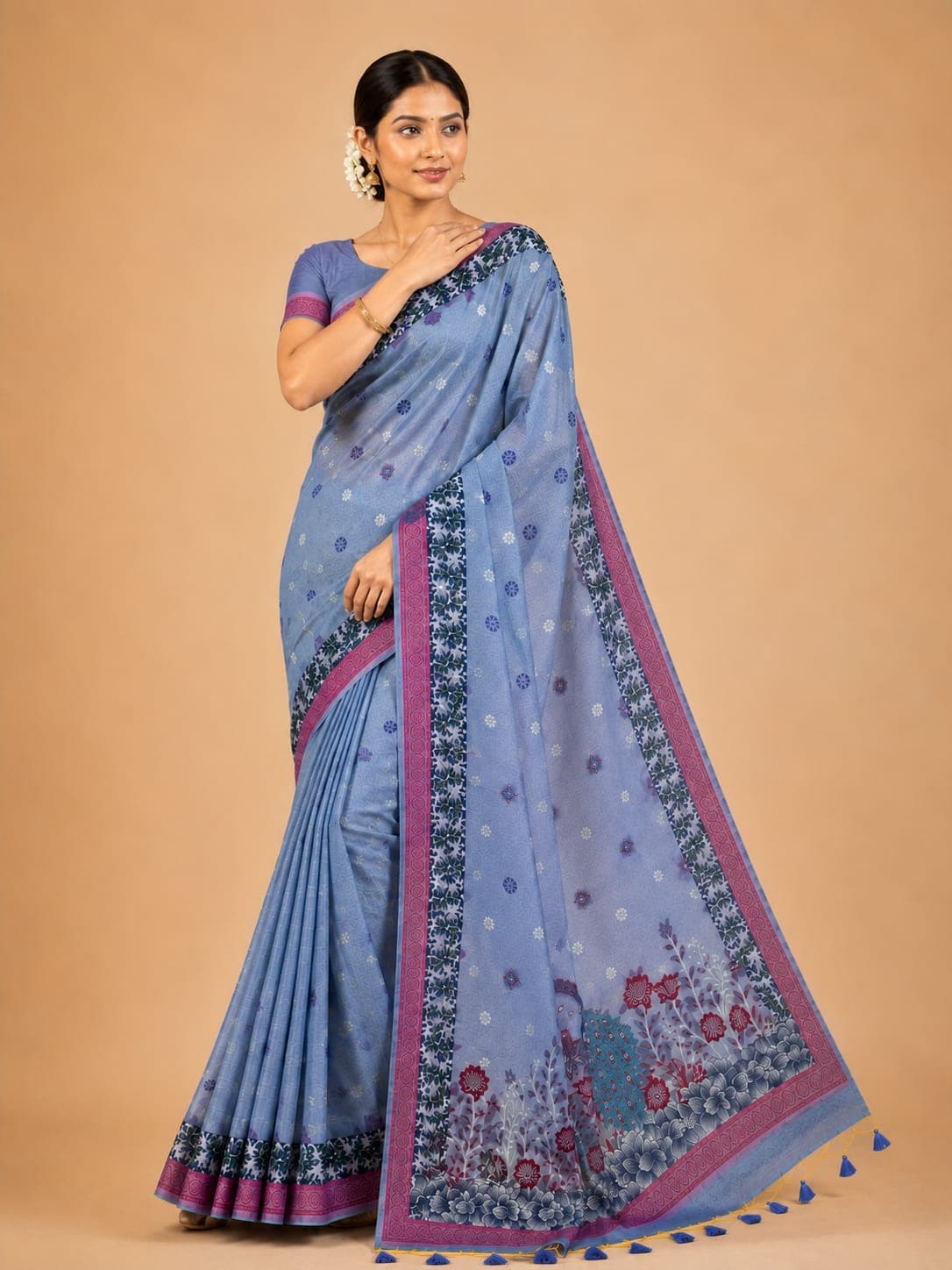
The **most common** draping style in India today, originating from Andhra Pradesh. This is the "default" style most women learn first.
**How it works:** The saree is wrapped around the waist, with pleats tucked at the front, and the pallu (decorative end) draped over the left shoulder.
**Best fabrics:** Works beautifully with every fabric — silk, cotton, georgette, chiffon, organza.
2. Bengali Style (Atpoure)
The elegant **Bengali drape** is characterised by the pallu being brought from the back over the right shoulder (not the left), with the key pleats gathered and tucked at the left hip. No pins needed — the fabric holds itself through strategic tucking.
**Best fabrics:** Tant (Bengal cotton), Baluchari silk, Jamdani.
3. Gujarati Seedha Pallu
The signature **Gujarati style** brings the pallu from the back, over the right shoulder, and lets it drape across the front of the body (the "seedha" or straight pallu). This is the style you see during Navratri Garba.
**Best fabrics:** Gaji Silk, Bandhani, Patola, Gharchola.
4. Maharashtrian Nauvari (9-Yard)
A practical, trouser-like drape using a 9-yard saree. The fabric is passed between the legs and tucked at the back, creating a dhoti-like silhouette that allows complete freedom of movement.
**Best fabrics:** Paithani, Nauvari cotton.
5. South Indian Temple Style
Similar to Nivi but with the pleats tucked in the front in a specific fan-like arrangement, and the pallu pinned over the left shoulder with a decorative brooch.
**Best fabrics:** Kanjeevaram, Mysore silk.